Flotiq vs ...


Why choose Flotiq as an alternative to Contenstack?
Flotiq’s API-first headless approach fosters innovation and simplifies content management for modern teams and developers.
1. Strong API foundations
Flotiq and Contentstack are both API‑first CMSs. Flotiq is an API-first headless CMS that automatically generates RESTful endpoints for each content type, complete with OpenAPI docs and multi‑language SDKs, enabling seamless omnichannel content delivery across any channel.
Contentstack emphasizes GraphQL for delivery, but its write operations require separate REST calls, creating more endpoint complexity.
2. Visual and flexible content modeling
Both platforms offer visual schema editors to craft custom content types. Both platforms offer visual schema editors to craft custom content types. Flotiq’s builder excels at defining fields, metadata, relationships, geolocation, and versioning, all instantly available via API. Flotiq headless enables flexible content modeling for multiple frontends, supporting content delivery to websites, mobile apps, and other channels.
Contentstack supports modular blocks and localization out of the box, but its GraphQL‑centric model sometimes demands more upfront planning and governance.
3. Intuitive content editing for teams
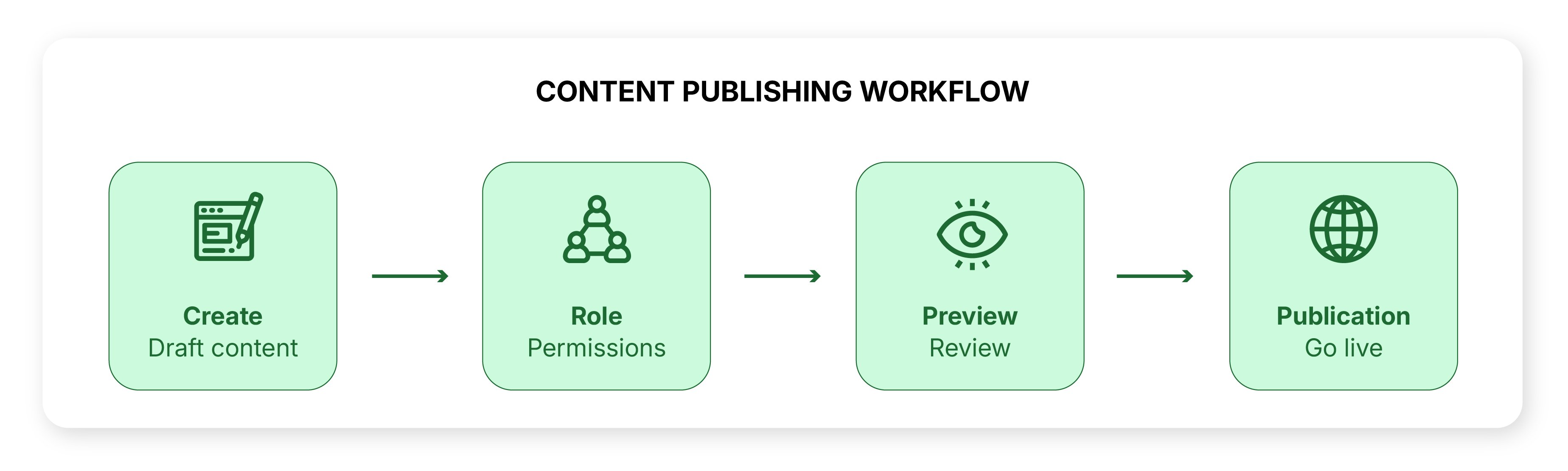
Flotiq and Contentstack provide modern editorial interfaces. Flotiq prioritizes a streamlined experience, SEO extensions, simple draft/publish workflows, field‑level permissions, and live preview integration, so content teams can work autonomously without developer hand‑holding. Flotiq simplifies collaboration and content sharing within an organization, making it easy to manage access and workflows across teams. Contentstack delivers advanced collaboration (inline comments, multi‑stage approvals) best suited to large, regulated organizations.
4. Typescript and Next.js support
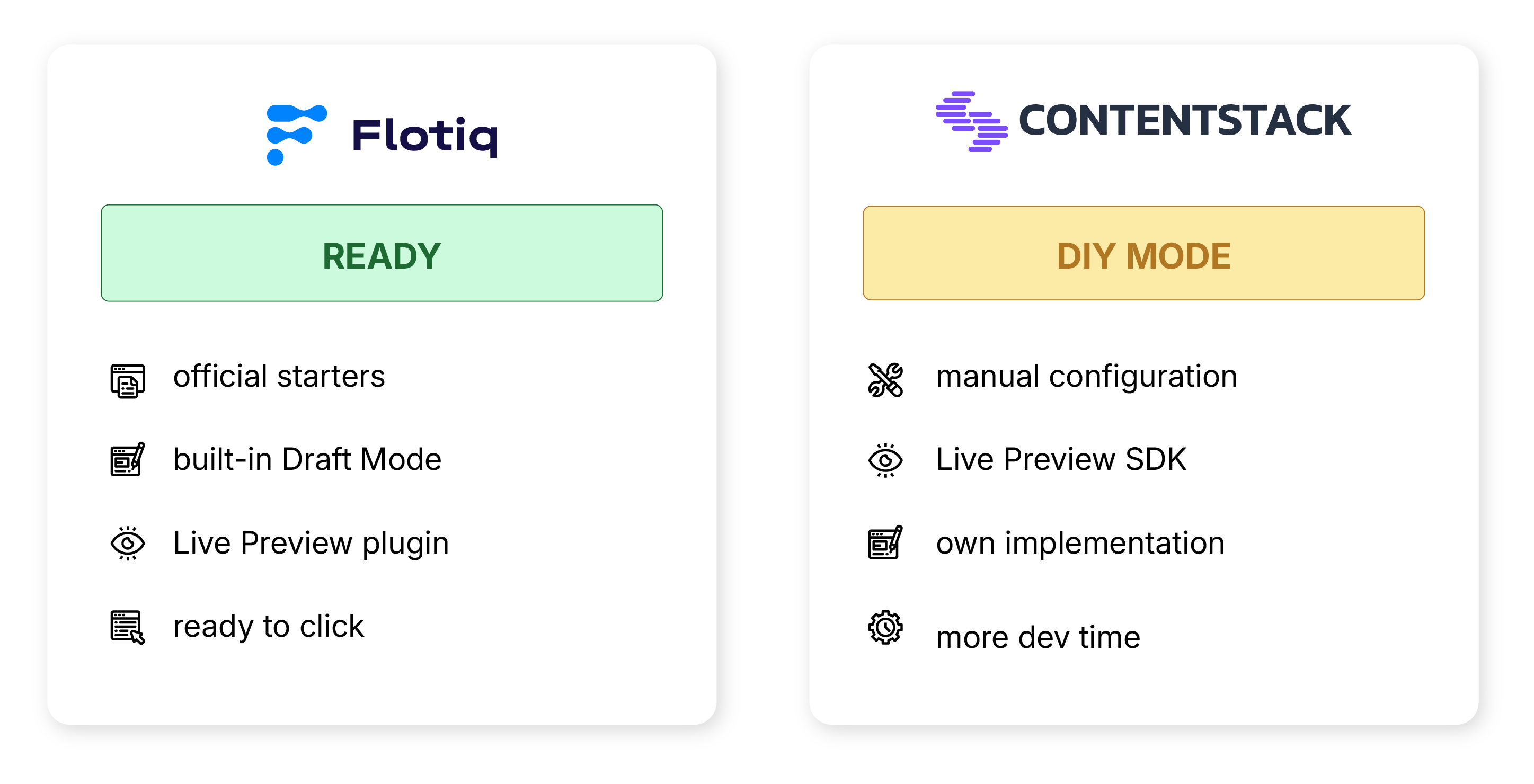
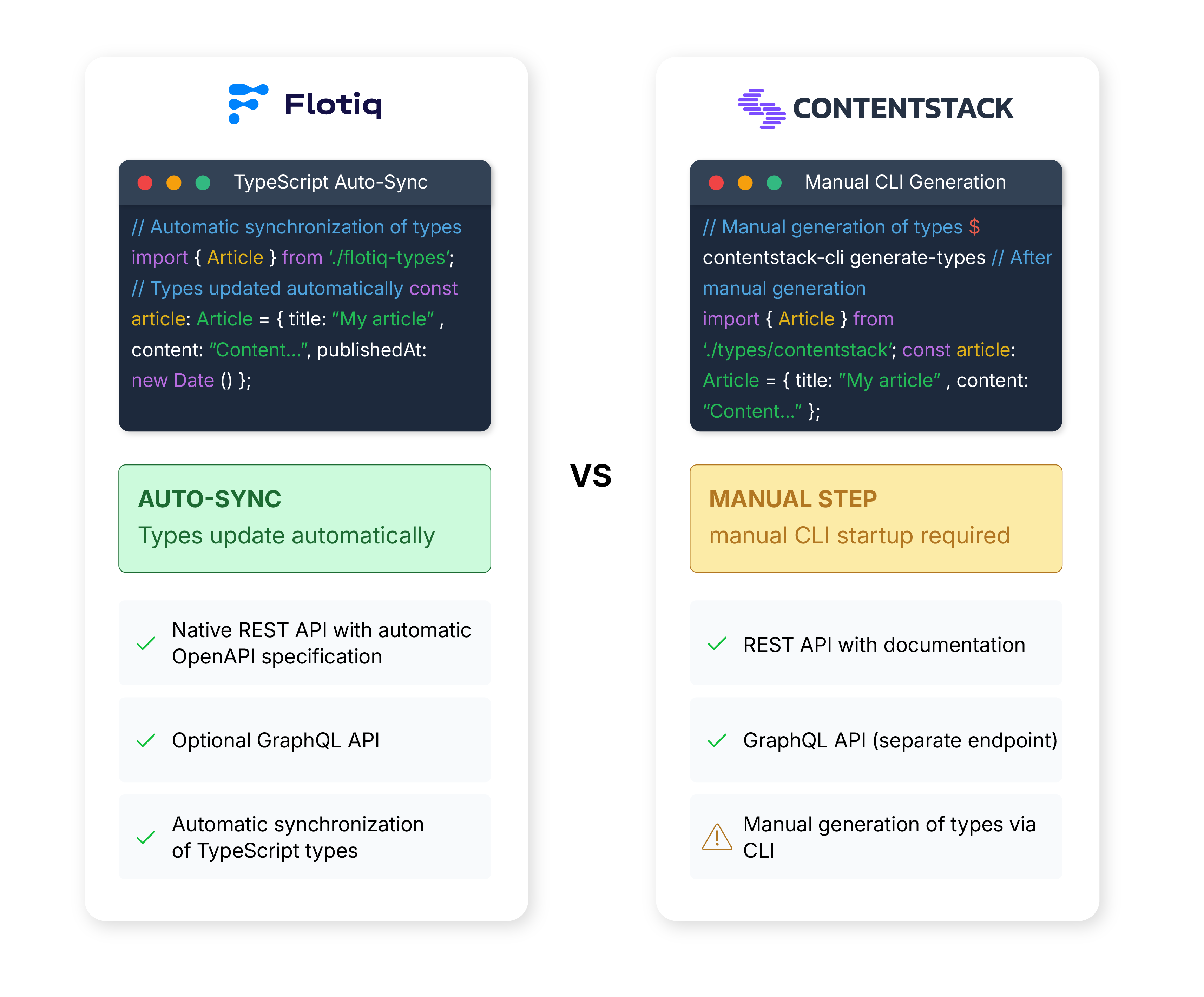
Flotiq offers end‑to‑end TypeScript integration: CMS schemas automatically sync to your codebase, eliminating manual type generation. Its Next.js plugin supplies built‑in Draft Mode and real‑time previews. The Flotiq SDK and Flotiq API ts make it easy to install, configure, and fetch content types in TypeScript projects.
Contentstack supports TypeScript and Next.js, but the setup is manual and preview tools require additional configuration.
Comparing Flotiq and Contentstack: Headless CMS Capabilities
See below for a side-by-side comparison of high-level headless CMS capabilities. Scroll down for more details on features for content teams and developers.
|
Capability |
Flotiq |
Contentstack |
|---|---|---|
|
API |
REST (OpenAPI), GraphQL, JSON-ready APIs auto-generated for each content type |
Primarily GraphQL Content Delivery API + separate REST Management API for writes (requires dual endpoint management) |
|
Content Modeling |
Visual builder, relations, metadata, geolocation, versioning |
Visual schema editor, modular blocks, multi‑locale support |
|
Editorial Features |
Clean UI, markdown/WYSIWYG, basic and custom roles, field-level permissions, drafts & publishing flow |
Rich UI, inline commenting, multi‑step workflows, advanced RBAC |
|
Deployment Models |
SaaS (shared), Hybrid (private cloud), Full Enterprise (on-premise or private cloud) |
SaaS only |
|
Digital Asset Management |
Built-in DAM, image optimization, CDN delivery (Cloudflare), basic video streaming |
Asset uploads, Fastly CDN, integrations for advanced handling |
|
Community & Resources |
Growing community, Discord, examples, tutorials, vetted development agencies |
Established ecosystem, official support, GraphQL learning hub |
|
Plans & Pricing |
Free forever plan, transparent pricing, custom plans available |
Custom quotes, tiered plans unlocked after sales engagement |
|
Security & Compliance |
ISO 27001, GDPR, supports on-premise and private cloud deployments |
Enterprise security, SSO, audit logs, encryption |
|
Support & SLA |
Support available for all plans, enterprise SLAs |
Priority support in upper tiers, enterprise SLAs |
|
Learning Curve |
🚀 Fast for developers and editors - REST + visual tools |
Steeper: GraphQL‑first model |
|
Developer Ecosystem |
Certified development agencies vetted by Flotiq |
Large partner network, GraphQL specialists |
|
User Roles & Permissions |
Basic + custom roles, field-level access control |
Advanced RBAC, locale‑ and environment‑based roles |
Key differences for business decision makers
Pricing Transparency and Predictability
Contentstack offers a 14-day free trial but does not provide a free-forever tier. Their Growth plan typically starts around $995/month (or roughly $799/month billed annually). Core enterprise features, such as audit logs, scheduled publishing, and backup recovery, are reserved for upper-tier plans, which can drive costs above $3,000/month as API calls and user counts rise.
Flotiq offers a free-forever tier, ideal for hobby projects or prototyping at no cost. For production use, and to access advanced features like daily backups (30-day retention), audit logs, and role-based permissions, we recommend the Basic plan, starting at $39/month (or $37/month billed annually). With clearly published tiers, businesses can forecast expenses accurately.
Business continuity
Contentstack maintains multiple backup layers: incremental backups every six hours (2-day retention), daily backups (7-day retention), and weekly backups (30-day retention). Deleted content is held in the Trash for 14 days and can be restored by customers directly. For data older than 14 days, the Contentstack support team can assist with recovery on request.
Flotiq provides automatic daily backups with 30-day retention starting on the Basic plan, and includes a straightforward restore feature in its UI, ensuring smaller teams benefit from continuous data protection.
Platform uptime SLA
Contentstack’s uptime commitment is tiered: 99.99% availability for Start and Grow plans (24×5), and 99.99% availability for Scale (enterprise) plans (24×7) as calculated monthly.
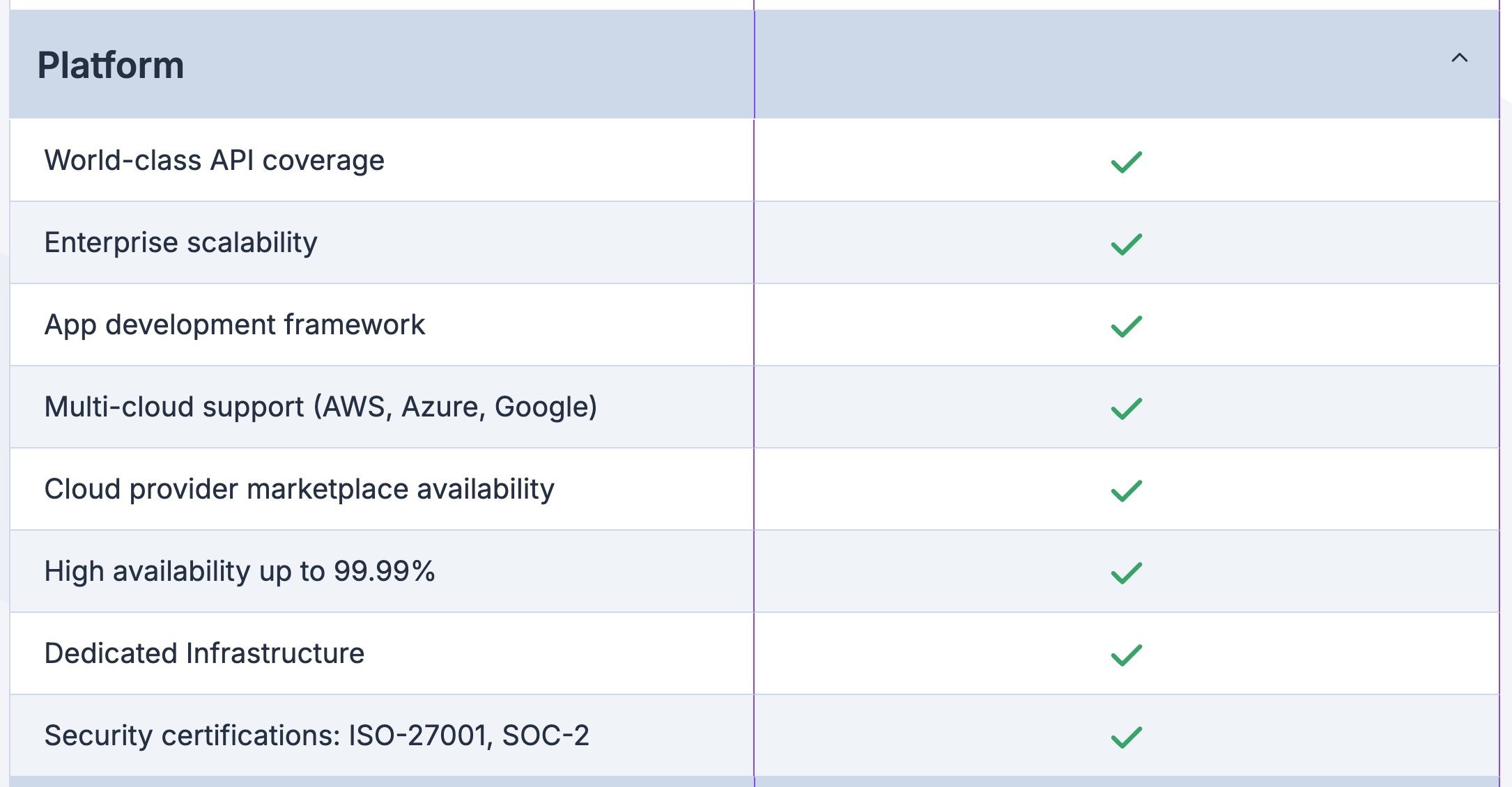
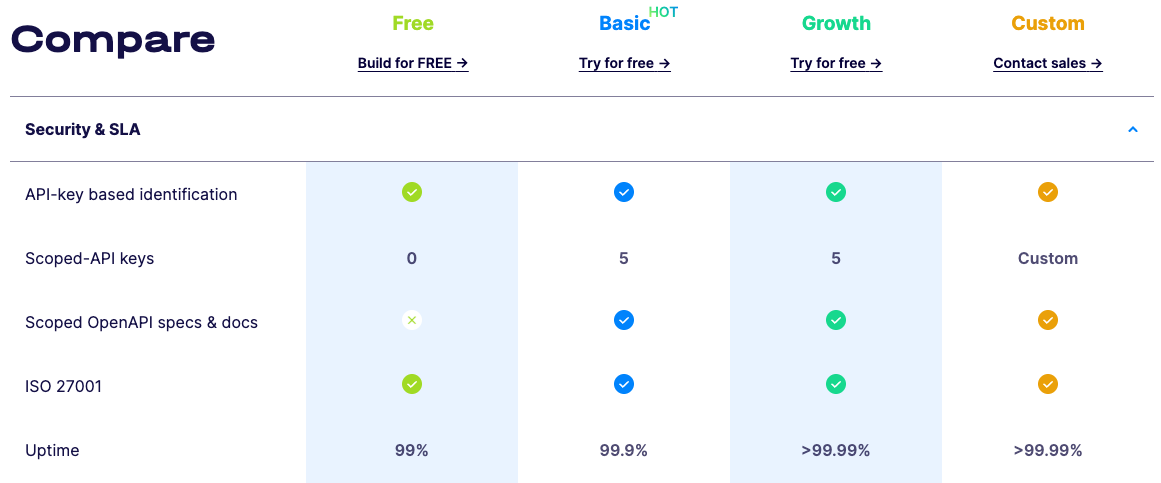
Flotiq guarantees 99.9% uptime on all paid tiers and 99.99% uptime on Growth and above, without requiring an enterprise contract.
Flotiq vs Contentstack – deployment models overview
Flotiq supports a variety of deployment options, including shared multi-tenant SaaS, dedicated single-tenant instances, and fully on‑premise/private cloud installations, to meet strict compliance, data residency, and infrastructure requirements.
Contentstack, while delivered as a SaaS platform, provides both multi-tenant and dedicated cloud instances but does not offer on‑premise installations.
|
Feature |
Flotiq |
Contentstack |
|---|---|---|
|
Shared Cloud (Multi-tenant SaaS) |
✅ Yes |
✅ Yes |
|
Dedicated Cloud (Single-tenant) |
✅ Yes |
✅ Yes |
|
On-Premise Installation |
✅ Yes |
❌ No |
|
Custom Infrastructure & SLAs |
✅ Yes |
✅ Yes (Enterprise only) |
Flotiq vs Contentstack for Engineering Teams
Flotiq and Contentstack equip developers with robust toolsets, but the details matter. For TypeScript projects, Flotiq offers the Flotiq SDK and Flotiq API ts, making it easy to integrate content APIs into your project. When connecting to the API, always include your read-only api key in environment variables to securely authenticate your project.
Below, we compare key engineering‑centric features:
|
Feature |
Flotiq |
Contentstack |
|---|---|---|
|
Programming languages |
All popular programming languages – JavaScript, TypeScript, Python, PHP, .NET, Dart, Go |
Official SDKs for major languages (JavaScript/TypeScript, Java, .NET, Python, PHP, Ruby, iOS, Android, etc.) |
|
Typescript support |
Full native support, automated typing |
Provided via a TypeScript SDK; type definitions can be generated using a CLI plugin (manual step) |
|
Frameworks |
Supports any framework (Next.js is a primary focus, with a starter and live preview plugin) |
Supported via APIs/SDKs for any framework; Next.js live preview is available but requires integrating Contentstack’s Live Preview SDK |
|
Native GraphQL Content APIs |
Efficient, type-enriched content retrieval via GraphQL |
Yes – GraphQL Content Delivery API (read-only) with schema introspection for exploring available types and fields |
|
REST API with OpenAPI support |
RESTful API generated based on your data model (auto-documented via OpenAPI) |
Comprehensive REST APIs for content delivery and management; OpenAPI JSON specs and Postman collections are provided for easy testingManagement API (REST) and Delivery API (REST) |
|
Rich Set of Developer Tools |
SDKs for multiple languages Automatically generated API documentation and code samples Integrated API sandbox Generated Postman collections Typescript integration |
GraphQL playground, CLI, apps & integrations |
|
Global CDN and Advanced Caching |
✅ |
✅ |
|
Flexible Content Modeling |
✅ |
✅ |
|
Large Set of Field Types |
✅ |
✅ |
|
Reusable Components |
✅ |
✅ |
|
Management tools |
Management CLI (supports on-prem deployments) |
Command-line interface for content operations (bulk publish, import/export, clone stacks, etc.) |
|
Environment Management |
We support complex environment-based workflows through our space separation |
✅ |
|
Granular Permissions and Workflows |
Basic roles |
Basic & custom roles |
|
Extend Platform with Custom Plugins |
User interface customization/extensions are possible through Flotiq Plugin framework Business logic extension through hosted code Webhooks and synchronous webhooks |
Apps & integrations |
|
Webhooks Configuration |
Async webhooks Synchronous webhooks Hosted webhook code |
Standard asynchronous webhooks to send real-time updates to external services (configurable per content branch) |
Typescript Support in action
Flotiq’s TypeScript integration is designed to keep your codebase and CMS schema perfectly in sync, whereas Contentstack requires a separate generation step whenever your models change.
|
Aspect |
Flotiq |
Contentstack |
|---|---|---|
|
Type Generation |
✅ Automatically generates and syncs .d.ts files with every content-type change |
⚠️ Requires running the tsgen CLI plugin or Developer Tools app to generate TypeScript definitions after schema changes manually |
|
Sync Frequency |
Instant: type definitions update immediately when you modify a content type in the dashboard |
Manual: developers must re-run the type generator each time the schema is updated |
|
IDE Experience |
Full IntelliSense, inline field hints, and documentation immediately available in VS Code, WebStorm, etc. |
Comprehensive IntelliSense once types are generated, but no live updates, so definitions can drift out of sync if not regenerated promptly |
| Integration Setup | 🚀 One-step: install Flotiq’s TS SDK and import your types | ⚙️ Two-step: install the SDK, configure tsgen, and add a build script to invoke type generation |
|
Maintenance Overhead |
Minimal: schema changes propagate automatically, reducing manual work |
Moderate: requires remembering to trigger type generation in local workflows or CI/CD pipelines to keep types current |
Key Takeaways for Engineering Teams
|
Feature |
Flotiq |
Contentstack |
|---|---|---|
|
API Type |
✅ REST & auto-generated OpenAPI specs + optional GraphQL |
✅ REST (OpenAPI JSON files available) + GraphQL Content Delivery API |
|
TypeScript Support |
✅ Native TS SDK with types that auto-sync on schema changes |
⚠️ Manual: run tsgen CLI plugin or Developer Tools app to generate typings after each schema update |
|
Next.js Integration |
✅ First-class support: official Next.js starters, Draft Mode & live preview plugin |
⚠️ DIY setup: use general SDK & REST/GraphQL Live Preview guides—no dedicated Next.js plugin (requires manual config) |
|
Business Logic Extensions |
✅ Webhooks + built-in plugin system + REST hooks |
⚠️ Async-only webhooks; UI apps/extensions via Marketplace (no in-platform code execution) |
Flotiq vs Contentstack for Content Teams
Content teams need intuitive tools that streamline creation, collaboration, and publishing. While both Flotiq and Contentstack deliver strong capabilities, Flotiq’s streamlined workflows and out-of-the-box features often let teams move faster with less configuration.
Flotiq also enables seamless content delivery across multiple channels, including websites, mobile apps, and smart devices, supporting true omnichannel strategies.
|
Feature |
Flotiq | Contentstack |
|---|---|---|
|
Independent Content Publishing |
Individual permissions to access content can be defined Subsets of the REST API can be published |
Delivery tokens per environment or type - managing multiple tokens across environments adds overhead |
|
Granular Permissions |
Basic roles Custom roles Field-level access permissions |
Advanced RBAC available, but field-level ACL and true custom roles only in higher-tier plans |
|
Workflow |
✅ |
✅ |
|
Collaboration Tools |
Presence information Versioning |
Inline comments and notifications; more powerful but come with a steeper learning curve |
|
Bulk Operations |
✅ One-click bulk create/update/delete via API or UI - streamlined for high-volume edits |
✅ Bulk operations via CLI or Management API - useful but spans multiple tools |
|
Rich Editing Experience |
✅ Intuitive Markdown/WYSIWYG editor with SEO previews and custom field descriptions - editor-first design |
✅ Advanced rich text editor with annotations - feature-rich but can feel overwhelming |
|
Digital Asset Management built-in |
✅ Built-in DAM with real-time image transformations and edge caching via Cloudflare CDN |
✅ Asset library with Fastly CDN - reliable, though transformation and optimization often require external integrations |
|
Content Versioning and Validations |
✅ Automatic version history and field-level validation rules - no-add-ons required |
✅ Full versioning and validations - enterprise-grade but gated behind tier restrictions |
|
Drafts and Live Previews |
✅ Out-of-the-box live preview (Next.js ready) and draft mode - no custom setup |
✅ Preview mode via APIs - requires manual integration and configuration |
|
Localization / Multilingual |
✅ Native multi-locale support with DeepL integration for fast translations |
✅ Built-in localization; translation integrations available but often require additional setup |
| AI translations |
✅ DeepL integration included - automate translations with minimal configuration |
✅ AI translation apps in Marketplace |
|
Platform Customization and Extensions |
✅ Unified plugin framework for UI extensions, hosted code hooks, sync & async webhooks - fully in-platform |
✅ Marketplace apps & legacy UI Extensions via iframes - functional but fragmented |
|
Custom UI Modifications |
✅ First-class plugin support for custom UI components and dashboards - seamless, single-framework development |
✅ App Framework for widgets; UI Extensions deprecated soon, migration to Marketplace Apps required |
Key Insights for Content Teams
Faster Preview Cycles: Flotiq’s robust Next.js integration delivers near-instant content previews, reducing back‑and‑forth with developers.
Streamlined Publishing: Simple workflows in Flotiq speed up content delivery, while Contentstack’s advanced approvals support large teams.
Budget-Friendly Features: Flotiq includes backups, audit logs, and role controls at lower tiers; Contentstack reserves these for premium plans.
Final Thoughts: your CMS should grow with you
Flotiq simplifies the process of building and deploying your site, streamlining content management and reducing complexity for developers and teams. Whether you need seamless developer workflows, rapid content publishing, or pricing that aligns with your growth, the right platform can make all the difference.
While Contentstack delivers a robust, enterprise-focused solution, it often requires more setup, higher budgets, and specialized expertise in GraphQL and enterprise workflows. In contrast, Flotiq empowers teams of any size with:
Developer-first APIs: Auto-generated REST and OpenAPI specs, plus optional GraphQL, so you can build faster with familiar tools.
Instant TypeScript support: Native type sync directly from your schema, eliminating manual steps and reducing errors.
Next.js readiness: Official starters, Draft Mode, and live preview plugins that integrate out of the box for a flawless editorial feedback loop.
Built-in business continuity: Daily backups, flexible deployment (including on-prem or private cloud), transparent SLAs, and support tiers that start at modest price points. Flotiq's API-first, flexible approach fosters innovation in digital content delivery, enabling modern, future-ready solutions for your site.
With Flotiq, you don’t trade off agility for power or budget for features. Start free today to see how a modern headless CMS can accelerate your development, delight your content teams, and scale alongside your ambitions - right from day one.
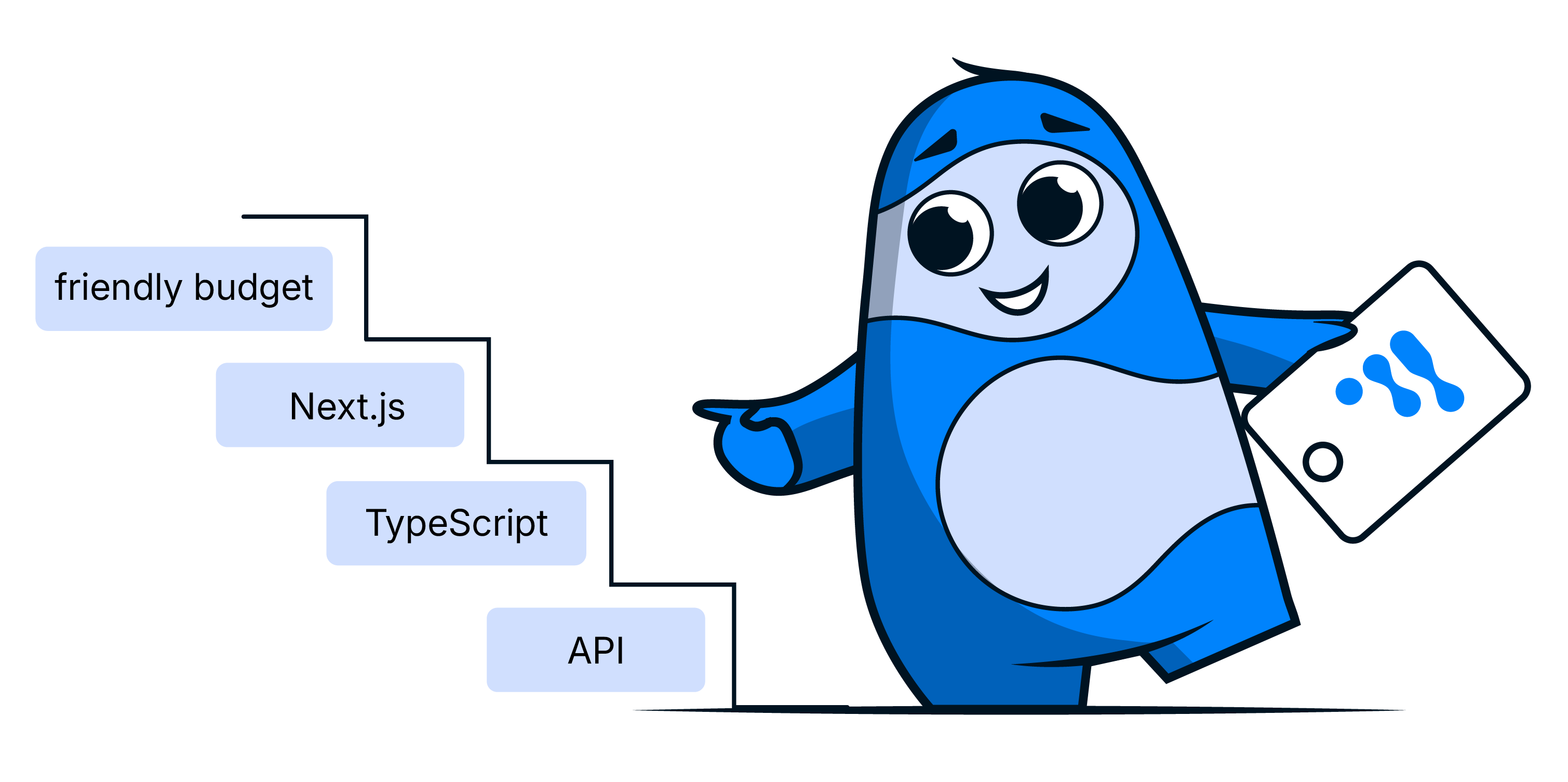
👉 Start with Flotiq’s free plan today and experience how a modern headless CMS can support your team, your workflows, and your ambitions - from day one.

.png)